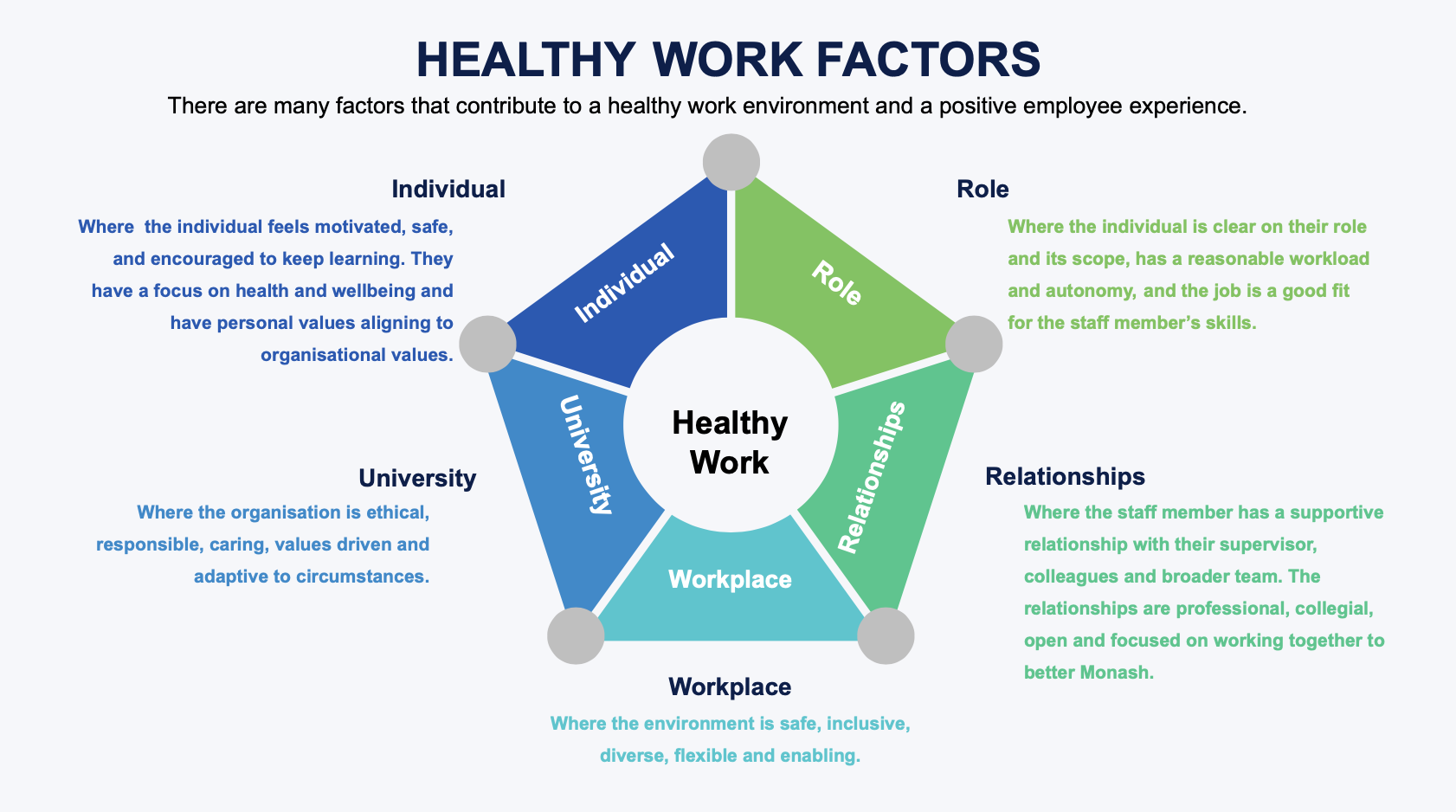
The value of a healthy working environment in organizations
In the busy landscape of modern workplaces, the term "healthy working environment and holds more meaning than ever before. This is beyond physical safety; therefore, a healthy working environment includes the holistic well-being of employees, fostering productivity, satisfaction, and ultimately, organizational success. From decreased turnover rates to improved creativity, the value of cultivating such an environment cannot be exaggerated.
The WHO defines health as “a state of complete physical, mental and social well-being and not merely the absence of disease or infirmity”. As such, a healthy workplace can be defined as a workplace that contributes to the physical, mental and social well-being of workers.
However, the value of a healthy working environment is complex and involves various aspects that contribute to the well-being and success of employees and organizations. Here are some key points highlighting the value of a healthy working environment:
- Employee’s wellbeing consists of the physical, emotional and mental. Whenemployees feel supported, respected, and valued, they are more likely toexperience job satisfaction, overall happiness and be very productive. Also, theyare more likely to transfer the same energy to clients.
- It promotes productivity. When employees are valued and do not have to deal with toxic people in the workplace, they are better equipped to focus on their tasks and perform at their best.
- A healthy working environment reduces turnover rates. Whereby, organizations that prioritize creating a healthy working environment tend to experience lower turnover rates because when employees feel satisfied with their work environment and supported by their organization, they are less likely to resign their jobs, resulting in cost and time savings associated with recruitment and training.
- A healthy working environment improve employee health by fostering a supportive and low-stress work environment. This can help reduce the risk of stress-related illnesses and improve overall employee health.
- It fosters better decision making such that employees feel empowered to voicetheir opinions, ask questions, and challenge the status quo. This leads to more healthy decision-making processes as diverse perspectives are considered, resulting in better outcomes for the organization.
In conclusion, the value of a healthy working environment does not only benefits individuals by promoting well-being and job satisfaction but also contributes to the success and sustainability of organizations by fostering productivity, improvecreativity, and increase employee retention.














Leave A Reply
Your email address will not be published. Required fields are marked *